3D Camera ICON Design: A Modern Visual Asset for Digital Creators
In the rapidly evolving landscape of digital design, visual communication is paramount. Whether you are building a mobile application, launching a photography portfolio, or creating a brand identity for a tech startup, the symbols you choose speak volumes before a single word is read. Among the most versatile and recognizable symbols in this realm is the 3D Camera ICON Design. This article explores what makes these icons valuable, how they function within various projects, and why high-quality, editable files are essential for professionals who demand excellence.
Understanding the Essence of 3D Camera ICON Design
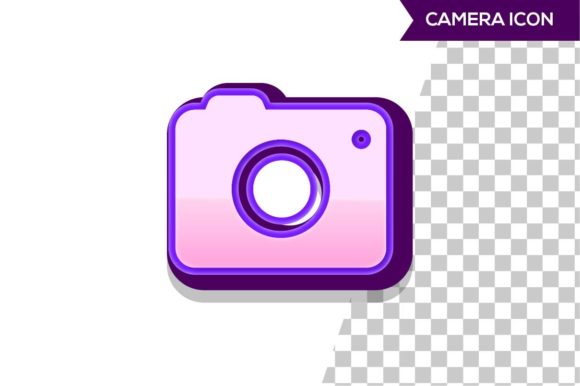
A 3D camera icon is more than just a flat graphic representation of a lens. It is a three-dimensional rendering that incorporates depth, lighting, shadows, and texture to create a sense of realism. Unlike traditional vector icons that rely on simple geometric shapes and solid colors, a 3D Camera ICON Design utilizes gradients, highlights, and perspective to mimic physical objects found in the real world. This approach aligns with modern design trends where users expect interfaces to feel tactile and immersive.
The primary purpose of this design element is to signal functionality related to photography, videography, imaging, or security. When a user sees a sleek, rendered camera icon on a screen, their brain instantly associates it with capturing moments, adjusting settings, or accessing a gallery. The "3D" aspect adds a layer of sophistication, suggesting that the underlying technology or service is advanced and premium.
Key Features and Technical Characteristics
When sourcing assets for professional projects, the technical specifications of the file are just as important as the visual appeal. High-quality 3D Camera ICON Design files typically come with specific features that ensure flexibility and longevity in your workflow.
- High-Resolution Capabilities: One of the most critical aspects is resolution. Professional-grade assets are provided in high-resolution formats, ensuring that the icon remains crisp whether displayed on a small smartphone screen or a massive digital billboard. This prevents pixelation and maintains the integrity of the 3D lighting effects.
- Editability and Customization: In a dynamic market, brand colors change, and design styles evolve. A robust 3D camera icon should not be static. These designs often feature fully editable main elements, allowing creators to modify the body of the camera, the lens, or the buttons without losing the 3D effect. This means you can easily swap out colors to match your specific brand palette.
- RGB Color Mode: For digital applications, RGB (Red, Green, Blue) color mode is the standard. This ensures that the vibrant colors and subtle gradients intended by the designer translate accurately across monitors, tablets, and televisions. Unlike CMYK, which is used for print, RGB provides the luminosity required for screens.
- Comprehensive File Formats: Versatility is key. A complete package usually includes a variety of formats such as SVG for scalable web use, EPS for professional vector editing, PNG for transparent backgrounds, JPG for general web display, and sometimes raw source files. Having everything in a convenient Zip file ensures you have the right tool for every job.
Who Benefits from Using 3D Camera Icons?
The utility of a 3D Camera ICON Design extends far beyond photographers. While the obvious use case is for apps related to image editing, the scope is much broader. Let's look at who gains the most value from integrating these assets into their work.
App Developers and UI/UX Designers
For those designing user interfaces, the difference between a flat icon and a 3D icon can define the entire aesthetic of an application. A well-crafted 3D camera icon can serve as a primary call-to-action button, encouraging users to take photos or record videos. Its depth draws the eye, making it stand out against flat backgrounds. Furthermore, because these files are often editable, designers can animate them later, adding hover effects or rotation animations that enhance user engagement.
Marketing Professionals and Brand Managers
Brands need to communicate trust and quality. Using a generic, low-resolution icon can inadvertently suggest a lack of attention to detail. Conversely, a polished 3D Camera ICON Design elevates the perceived value of a product or service. Marketing materials for photography workshops, camera sales, or social media management tools benefit significantly from these visuals. They provide a cohesive look that ties together websites, social media posts, and email newsletters.
Business Owners and Entrepreneurs
Small business owners often wear many hats, including graphic designer. Accessing pre-made, high-quality assets saves time and money. Instead of hiring a designer to create a custom icon from scratch, a business owner can purchase a versatile pack, customize the colors to fit their logo, and deploy it immediately. This efficiency allows them to focus on growing their business rather than struggling with software limitations.
Real-World Applications and Scenarios
To truly understand the value of these icons, consider how they appear in everyday digital interactions. Imagine opening a new photo-sharing app. The central button inviting you to "Capture Now" is a glowing, metallic 3D camera icon. It feels tangible, almost like pressing a physical shutter release. This psychological connection increases the likelihood of interaction.
In another scenario, consider a website for a security company. A 3D camera icon representing surveillance systems can convey vigilance and modern technology. By adjusting the color to a cool blue or a serious black, the same base design can be adapted to different emotional tones without losing its core identity.
Even in educational contexts, such as online courses about photography, these icons can serve as chapter markers or navigation aids. They break up text-heavy content, providing visual relief and helping users scan information quickly.
Evaluating Suitability for Your Project
While the benefits are clear, it is important to evaluate whether a 3D Camera ICON Design fits your specific needs. Not all design styles require three-dimensionality. If your project adheres to a strict minimalist or brutalist aesthetic that relies solely on flat lines and monochromatic schemes, a complex 3D render might clash with the overall theme.
Additionally, consider the performance implications. While SVG files are lightweight, extremely detailed 3D renders converted to raster images (like PNG) can increase page load times if not optimized. Always check the file size and ensure the resolution matches your display requirements. If you plan to use the icon in print, verify that the included EPS files support the necessary color profiles.
Maximizing Value Through Customization
The true power of a high-quality asset lies in its adaptability. Because the main elements are editable, you are not limited to the default appearance. You can experiment with different lighting scenarios—perhaps a neon-lit camera for a cyberpunk-themed project or a matte-finish version for a corporate report. The ability to change colors in RGB mode means you can seamlessly integrate the icon into any brand guideline.
Furthermore, having access to multiple formats like SVG and EPS future-proofs your investment. As your project scales or moves to new platforms, you will always have a version of the icon that performs optimally. This flexibility reduces the need to constantly re-design assets, saving both time and resources in the long run.
Conclusion
In conclusion, a 3D Camera ICON Design represents a convergence of artistry and utility. It serves as a powerful visual cue that enhances user experience, strengthens brand identity, and communicates professionalism. With features like high resolution, full editability, and comprehensive file formats, these icons offer a practical solution for creators and businesses alike.
Whether you are a seasoned designer looking to refine your interface or a business owner seeking to elevate your online presence, investing in high-quality, customizable assets is a strategic move. By choosing designs that prioritize clarity, versatility, and visual impact, you ensure that your message is not only seen but felt. As the digital world continues to embrace more immersive experiences, the role of well-crafted 3D icons will only continue to grow in importance.