3d Template Infographic Design Vector
In a digital landscape saturated with flat, static imagery, 3d template infographic design vector assets offer a distinct advantage. They provide depth, dimension, and a tactile quality that naturally draws the eye. Whether you are a marketer trying to break through noise or an educator simplifying complex data, these templates serve as the foundation for compelling visual stories. The shift from two-dimensional layouts to three-dimensional environments isn't just about aesthetics; it is about engagement.
When you acquire a collection of 3d template infographic design vector files, you are not just buying graphics. You are gaining a versatile toolkit that bridges the gap between abstract concepts and tangible reality. These designs allow creators to construct scenes that feel immersive without requiring advanced modeling skills. By leveraging pre-built structures, designers can focus on content strategy while the visual framework handles the heavy lifting of spatial composition.
The Power of Dimension in Visual Communication
Why does 3D matter? Because human perception is inherently three-dimensional. Our brains are wired to recognize depth, shadows, and perspective. When you present information using a 3d template infographic design vector, you tap into this natural cognitive process. A flat chart might inform, but a layered, dimensional representation can inspire understanding and retention.
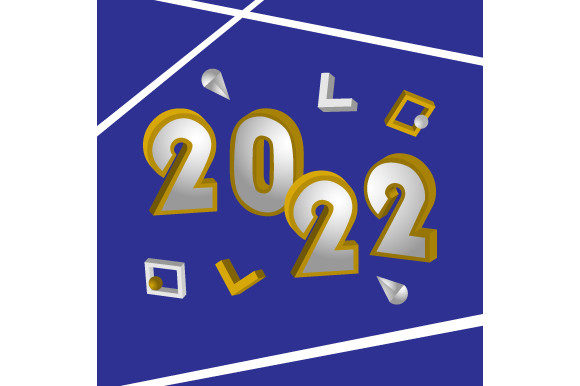
These vectors typically feature elements like floating icons, extruded text, and soft lighting effects that create a sense of volume. This approach transforms mundane data points into interactive-looking objects. For instance, a simple statistic about growth can be represented by a rising bar chart that looks like it is emerging from the background. This subtle manipulation of space makes the information feel more significant and urgent.
- Visual Hierarchy: Depth allows you to guide the viewer's eye naturally from the most important element to secondary details.
- Emotional Connection: Realistic textures and lighting evoke feelings of quality and professionalism that flat art often lacks.
- Modern Appeal: 3D styles align with current design trends seen in tech interfaces, gaming, and modern branding.
Unlocking Creative Possibilities Across Industries
The versatility of 3d template infographic design vector collections lies in their adaptability. A single asset pack can serve vastly different purposes depending on how you interpret and arrange the elements. Here is how various professionals can apply these resources to their specific goals.
For Marketers and Entrepreneurs
Business owners need to communicate value propositions quickly. In a pitch deck or a landing page, a 3d template infographic design vector can illustrate a business model, a supply chain, or a user journey. Imagine visualizing a customer's path from awareness to purchase as a series of connected, floating islands. This metaphor becomes instantly understandable because the 3D elements suggest separation and connection simultaneously. It turns a linear process into an exploratory experience.
For Educators and Content Creators
Educational materials benefit immensely from spatial organization. Complex scientific processes, historical timelines, or anatomical diagrams become clearer when rendered in 3D. Teachers can use these templates to show layers of information—perhaps peeling back a virtual layer to reveal what lies beneath. This interactivity keeps students engaged and helps them visualize abstract concepts that are difficult to grasp on a flat screen.
For Freelancers and Agencies
Freelance designers often face tight deadlines. Having access to a robust library of 3d template infographic design vector files means they can prototype ideas rapidly. Instead of spending hours modeling a basic object, a designer can import a high-quality vector element, adjust its color to match the brand, and integrate it into a larger layout. This efficiency allows for more time spent on strategy and client communication.
Technical Flexibility: AI, EPS, JPG, and PNG
The true utility of these assets comes from the variety of file formats included in the download. Each extension serves a specific stage in the creative workflow, ensuring that your project remains flexible from concept to final delivery.
- AI (Adobe Illustrator): This is the native format for vector editing. When you open an AI file, you gain full control over every anchor point, stroke, and gradient. You can recolor the entire scene to match a corporate palette or rearrange individual components to fit a unique narrative. This format is essential for scalability, ensuring your graphics look crisp on everything from mobile screens to billboards.
- EPS (Encapsulated PostScript): Ideal for compatibility across different software platforms, including older versions of Adobe products or vector-based print workflows. EPS files preserve the vector integrity, making them perfect for large-scale printing where resolution cannot be compromised.
- PNG (Portable Network Graphics): With transparency support, PNGs are ready-to-use for web and social media. If you need to place a 3D icon directly onto a colored background without worrying about white boxes, the PNG version provides immediate results. It captures the lighting and shadows baked into the render, offering a quick solution for blog posts or presentations.
- JPG (Joint Photographic Experts Group): While less flexible than the others, JPGs are universally compatible. They are useful for quick previews or when file size needs to be minimized for email attachments. However, they lack transparency and do not scale well without losing quality.
Maintaining Clarity and Consistency
While 3D elements add excitement, there is a fine line between engaging and overwhelming. To ensure your 3d template infographic design vector projects remain effective, consistency is key. Avoid mixing too many different styles of 3D rendering within a single piece. If your icons have a glossy finish, ensure the background elements share similar lighting properties. Mismatched shadows or inconsistent light sources can make the design look disjointed and unprofessional.
Furthermore, keep the hierarchy clear. In a 3D environment, elements that are "closer" to the viewer appear larger and more detailed. Use this property to emphasize critical data. If you have ten pieces of information, make the most important one float slightly above the rest. This spatial cue tells the audience exactly where to look first. Remember that good design is about subtraction as much as addition; if a decorative element distracts from the core message, remove it.
Practical Tips for Implementation
To get the most out of your collection, start by planning the story you want to tell before opening your design software. Sketch a rough layout on paper to determine which 3D elements will anchor the composition. Once you have a vision, select the appropriate file format to begin working.
If you are designing for the web, prioritize the PNG versions for speed and clarity. For print materials, rely on the EPS or AI files to ensure high-resolution output. Don't be afraid to experiment with colors. Since these are vectors, changing the hue of a 3D object is often as simple as selecting a swatch, allowing you to test multiple brand identities without redrawing anything.
Finally, consider the context of your audience. A playful, colorful 3D style might work perfectly for a children's education app, while a sleek, metallic finish could be better suited for a financial report. Understanding your user base ensures that your choice of 3d template infographic design vector enhances rather than confuses the message.
By integrating these dimensional assets thoughtfully, you elevate your content from simple information delivery to an immersive visual experience. Whether you are building a brand identity, teaching a class, or presenting a new product, the right 3D vector template can be the catalyst that makes your idea stick.