3D Business Card Design for Professional Branding
In a world where digital interactions often replace face-to-face meetings, the traditional flat business card is evolving. 3D Business Card Design has emerged as a powerful tool for professionals who need to capture attention instantly and leave a lasting impression. It is not merely about adding depth to an image; it is about creating a tangible sense of presence in a virtual environment. When you present your brand through a three-dimensional perspective, you allow potential clients to visualize your product or service in a more realistic context.
This approach matters because human brains are wired to process visual information faster than text. A flat design might be overlooked in a crowded feed, but a dynamic 3D representation stops the scroll. Whether you are a freelancer pitching a new logo concept or a small business owner launching an online store, the ability to showcase your work with depth adds a layer of professionalism that standard two-dimensional files simply cannot match. It transforms a static graphic into an experience.
Elevating Your Portfolio Presentation
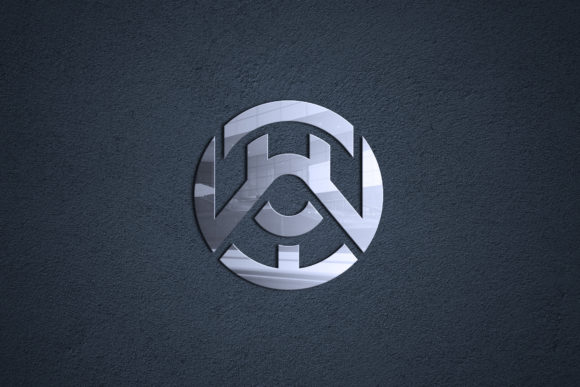
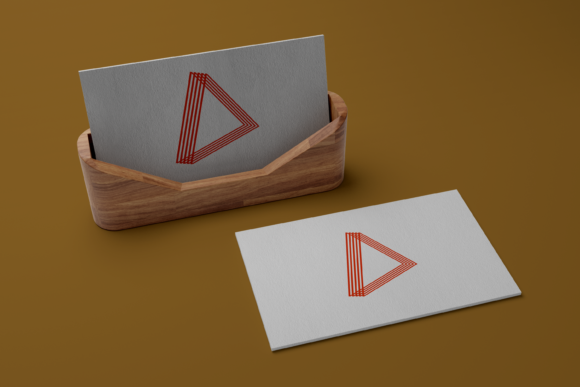
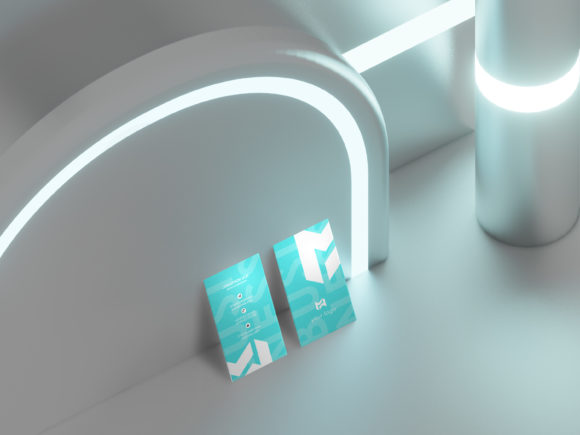
One of the most significant challenges designers and creators face is presenting their work effectively to clients. Sending a flat JPEG can feel impersonal and lacks the context needed to appreciate the full scope of the design. 3D Business Card Design solves this by placing your artwork into a realistic setting. Imagine showing a client a mockup where their logo sits on a textured card held in natural light, rather than just a white background file.
This shift in presentation style helps bridge the gap between imagination and reality. Clients can see how their branding will look in the real world before they even commit to printing. This clarity reduces back-and-forth communication and speeds up the approval process. By providing a high-quality visual preview, you demonstrate attention to detail and a commitment to excellence. It shows that you care about how the final product will be perceived, which builds trust and credibility immediately.
For educators and bloggers, this technique offers a unique way to share resources. Instead of describing a digital asset, you can display it in a 3D format that invites engagement. The visual depth encourages viewers to pause and interact with the content, leading to higher retention rates and better understanding of the material being presented.
Showcasing Logos and Online Shops
The versatility of this design method extends beyond simple personal branding. You can use these mockups to display your logos and other designs in a variety of contexts. If you manage an online shop, showcasing your products within a 3D framework can significantly enhance the user experience. Customers often struggle to judge scale and texture from flat images alone. A 3D view provides that missing spatial information, helping them make informed purchasing decisions.
Consider the scenario where you are promoting a new line of merchandise. By integrating 3D Business Card Design elements into your social media campaigns, you create a cohesive narrative. The mockup acts as a stage for your brand, highlighting specific features like embossing, foil stamping, or unique paper finishes. This level of detail is crucial for luxury goods or high-end services where quality perception drives sales.
Furthermore, sharing these visuals on social media platforms allows for greater reach. Platforms like Instagram and LinkedIn favor content that stands out visually. A well-rendered 3D mockup is more likely to be shared, liked, and commented on compared to a generic screenshot. This organic engagement can drive traffic to your website and increase visibility without requiring a massive advertising budget. It turns your social media presence into a dynamic gallery of your best work.
Streamlining Workflow with Smart Objects
Efficiency is a critical factor for busy professionals, freelancers, and entrepreneurs. The modern workflow requires tools that minimize repetitive tasks so you can focus on creativity. That is why the inclusion of a PSD file with a smart object layer is such a game-changer. With this feature, you can customize your designs rapidly without altering the underlying structure of the mockup.
p>You simply open the file in Photoshop, double-click the smart object layer, and paste your design. Once saved, the 3D effects automatically update to fit your new artwork. This eliminates the need to manually adjust lighting, shadows, or perspective for every single project. For marketers managing multiple campaigns or publishers releasing frequent updates, this time-saving capability is invaluable. It allows you to produce a week's worth of content in the time it usually takes to create a few.The ease of customization also means that you do not need advanced technical skills to achieve professional results. Even if you are a hobbyist or a small business owner with limited design experience, you can generate high-quality visuals that look like they were created by a top-tier agency. This democratization of design tools empowers individuals to compete on a larger stage, leveling the playing field against established corporations.
Delivering Versatile Assets for Any Platform
Beyond the editable PSD source file, receiving a ready-to-use JPEG image file ensures flexibility across different channels. Not every platform supports layered files, and some clients may prefer immediate delivery without needing software access. Having a high-resolution JPEG means you can use the image anywhere—from email signatures and press releases to website banners and printed brochures.
This dual-format delivery supports a seamless transition from creation to distribution. You can keep the PSD for future edits while using the JPEG for immediate publication. It simplifies decision-making regarding file formats and ensures consistency in your brand identity. Whether you are presenting to a local client or a global audience, the quality remains intact regardless of the medium.
However, it is important to consider limitations. While 3D mockups offer realism, they rely on the quality of the source image. If the original design is low resolution, the 3D effect may not render perfectly. Additionally, overusing 3D effects can sometimes distract from the core message if not balanced correctly. Users should compare options and ensure that the mockup aligns with their specific brand aesthetic. The goal is enhancement, not overshadowing.
Maximizing Value for Creators and Entrepreneurs
The ultimate value of 3D Business Card Design lies in its ability to support goals and solve problems related to visibility and perception. For freelancers, it serves as a portfolio builder that proves competence. For entrepreneurs, it acts as a marketing asset that drives conversions. For creators, it is a canvas for artistic expression that resonates with audiences.
By adopting this approach, you are not just making pretty pictures; you are strategically positioning your brand for success. The combination of realistic rendering, easy customization, and versatile output formats creates a comprehensive solution for modern branding needs. It allows you to present your designs for your clients with confidence, knowing that the visual representation matches the quality of your work.
As the digital landscape continues to evolve, the demand for high-quality, immersive visual content will only grow. Staying ahead of the curve means embracing tools that offer depth and dimension. Whether you are producing nice quality product mock-ups or simply trying to stand out in a noisy market, the investment in proper 3D visualization pays dividends in time saved and results achieved. It is a practical step toward elevating your professional presence and connecting more deeply with your audience.