3d Logo Mockup Design for Professional Branding
When you present a new brand identity, the difference between a flat image and a tangible representation can determine whether a client feels confident in your vision. A 3d Logo Mockup Design transforms abstract concepts into realistic scenarios that stakeholders can visualize immediately. This approach bridges the gap between digital creativity and physical reality, allowing professionals to showcase their work with authenticity and depth.
In today's competitive market, presenting a logo on a screen often fails to convey its true potential. Clients need to see how a design interacts with light, texture, and environment. By utilizing high-quality mockups, you provide a clear context that elevates the perceived value of your work. This method is not merely about decoration; it is a strategic tool for communication that simplifies decision-making and accelerates project approvals.
Why Realistic Visualization Matters for Your Workflow
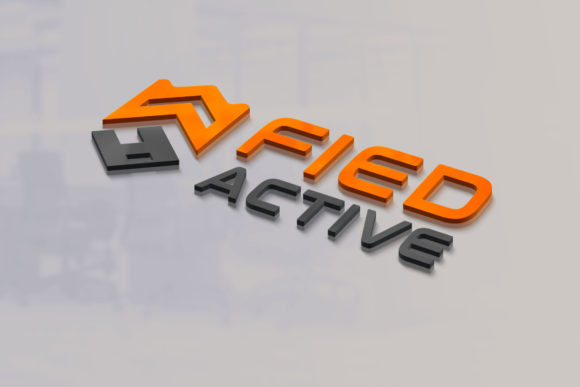
The primary advantage of using a 3d Logo Mockup Design lies in its ability to simulate real-world conditions without the cost or time required for physical production. Imagine you are pitching a rebrand to a small business owner who runs a coffee shop. Showing them a flat vector file on a monitor leaves much to the imagination. However, placing that same logo onto a realistic 3D rendering of a ceramic mug, a paper bag, or a storefront sign allows them to instantly grasp the impact of the change.
This visual clarity reduces ambiguity. When clients can see exactly how their branding will appear in various contexts, they are less likely to request unnecessary revisions later in the process. The realistic nature of these presentations helps build trust, as it demonstrates that you have considered every detail of the final product. It shifts the conversation from "what if" to "this is," making the path forward much clearer for everyone involved.
Simplifying the Editing Process for All Skill Levels
One of the most significant barriers to creating professional presentations has always been technical complexity. Many designers hesitate to create detailed mockups because they assume it requires advanced Photoshop skills or hours of manual layer manipulation. Modern solutions have removed this hurdle entirely. With tools designed for ease of use, you no longer need to be an expert graphic designer to produce stunning results.
The core feature that enables this accessibility is the smart object replacement system. Instead of manually tracing outlines or adjusting perspective grids, you simply open the file, locate the designated placeholder, and replace it with your own artwork. The software automatically handles the warping, lighting, shadows, and blending modes. This means that even if you have zero experience with complex compositing, you can generate a photorealistic presentation in minutes. The workflow becomes a matter of drag-and-drop rather than technical struggle.
This efficiency is particularly valuable for freelancers and entrepreneurs who wear multiple hats. Whether you are a marketer managing social media campaigns or a blogger launching a merchandise line, saving time on presentation creation allows you to focus more on strategy and content development. You can produce high-volume deliverables without sacrificing quality, ensuring that your output remains consistent regardless of your workload.
Technical Standards That Ensure Professional Results
While ease of use is important, the technical specifications of your assets define the final quality of your presentation. A generic low-resolution image can undermine the professionalism of your entire pitch. Therefore, selecting a 3d Logo Mockup Design with robust technical standards is essential for maintaining credibility.
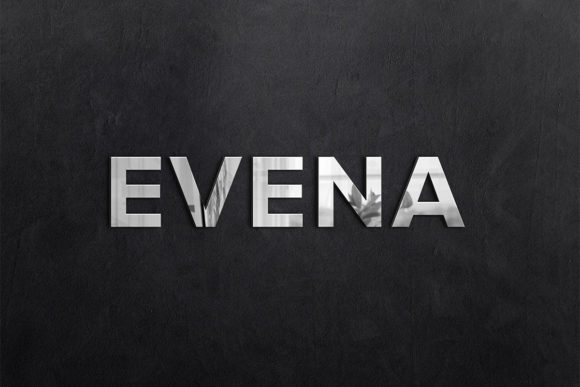
High-resolution outputs are non-negotiable for professional work. A resolution of 3600 x 2400 pixels at 300 DPI ensures that your images remain crisp when printed on large formats or viewed on high-definition displays. This level of detail captures subtle textures, such as the grain of wood, the sheen of metal, or the weave of fabric, adding a layer of realism that flat graphics cannot achieve. When a client zooms in to inspect the details, the image should hold up perfectly, reinforcing the high standard of your work.
Furthermore, the organization of the file structure plays a crucial role in long-term usability. A well-organized project with fully layered folders allows for flexibility beyond simple logo placement. If you decide to adjust the background color, tweak the lighting intensity, or modify the material texture later, having a clean layer hierarchy makes these edits straightforward. This prevents the frustration of tangled layers that can break a composition and waste valuable time.
Maximizing Versatility Through Editable Options
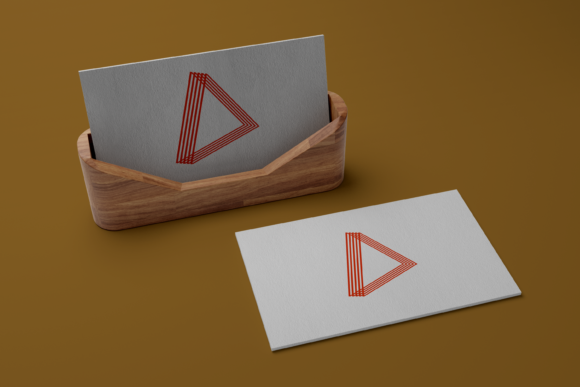
The true power of a comprehensive mockup pack lies in its versatility. A single design scenario rarely covers all the needs of a modern brand. You might need to show your logo on a business card, a website header, a vehicle wrap, and a promotional t-shirt. Having access to 100 editable variations within a single package provides a vast library of contexts to draw from.
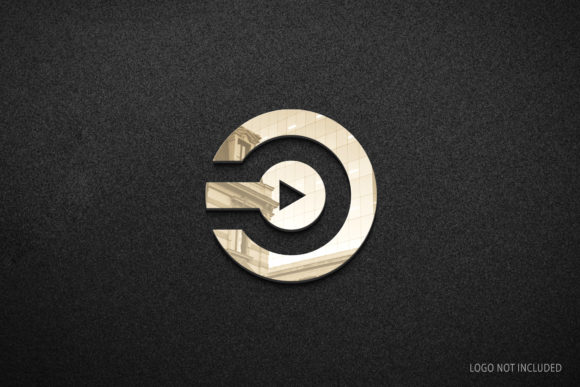
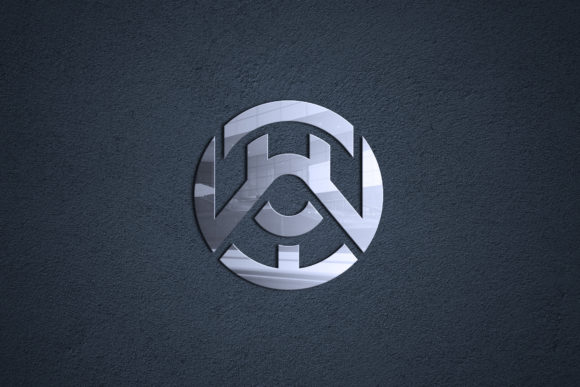
This variety supports a holistic branding strategy. For instance, a tech startup might require sleek, minimalist presentations on glass or metal surfaces, while a craft brewery might prefer rustic, textured backgrounds like cardboard or stone. Being able to switch between these environments effortlessly allows you to tailor your presentation to the specific personality of each client. It also enables you to create cohesive brand guidelines documents that look polished and complete.
Additionally, having both PSD and JPEG versions included offers practical benefits for different stages of the workflow. The PSD file serves as your working document where you can make adjustments, while the JPEG version provides a lightweight, ready-to-send format for quick reviews or web uploads. This dual-format approach streamlines your delivery process, ensuring you always have the right asset for the right moment.
Who Benefits Most from High-Quality Mockups?
While almost any creative professional can benefit from better visualization tools, certain groups find them indispensable. Small business owners often lack the budget for physical prototypes. A high-quality 3D mockup allows them to test their branding ideas before investing in expensive manufacturing runs. This risk mitigation is invaluable for startups operating on tight margins.
Marketing agencies and advertising teams also rely heavily on these tools to secure contracts. During pitch meetings, the first impression counts. Presenting a client with a visually stunning, realistic mockup demonstrates competence and attention to detail. It shows that you understand the practical application of their brand, not just the theoretical design. This confidence can be the deciding factor in winning a new account.
Educators and students in design fields can use these resources to learn by example. Studying how light interacts with different materials in a well-constructed mockup provides practical insights into real-world design challenges. It serves as a teaching aid that connects classroom theory with industry practice.
Considerations for Choosing the Right Tools
Despite the advantages, it is important to choose tools that fit your specific needs. Not every mockup pack is created equal. Some may offer limited customization options, restricting your ability to adapt the scene to your unique requirements. Always verify that the files are fully layered and that the smart objects function correctly in your version of design software. Reading through the included help file before starting a project can prevent common errors and save time during the editing process.
Furthermore, consider the style of the mockups. While realistic renders are powerful, they must align with the aesthetic of your brand. A hyper-realistic metal texture might look out of place for a children's toy company, whereas a matte, soft-touch finish might be more appropriate. Taking the time to review the available styles ensures that your final presentation feels authentic to the brand story you are telling.
In conclusion, integrating a 3d Logo Mockup Design into your workflow is a strategic move that enhances communication, saves time, and elevates your professional image. By leveraging high-quality, easy-to-edit templates, you can produce presentations that resonate with clients and drive decisions. Whether you are a seasoned agency director or a solo entrepreneur, the ability to visualize your designs realistically is a skill that pays dividends in every project you undertake.