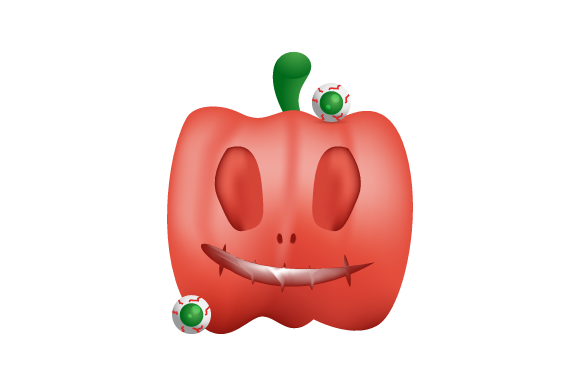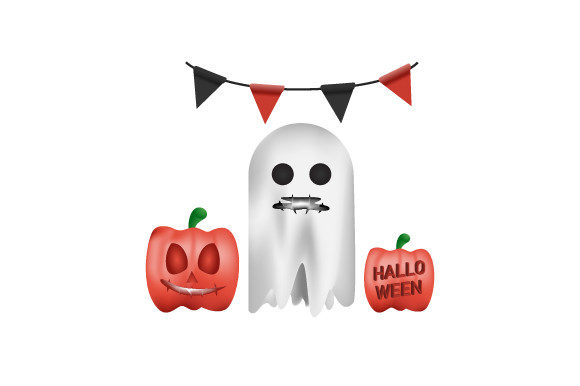
3d Halloween Decoration Design Vector: Transforming Digital Assets into Real-World Spooktaculars
There is a distinct magic in turning a flat digital file into something you can physically touch and display. When you are looking for 3d Halloween Decoration Design Vector files, you aren't just buying a picture; you are acquiring the blueprint for your holiday atmosphere. These assets have evolved far beyond simple clip art. They are sophisticated, layered designs that capture depth, shadow, and texture, allowing creators to manipulate them in ways traditional 2D graphics simply cannot.
Whether you are a homeowner trying to create a haunted house experience on a budget or a professional event planner managing a corporate scare zone, the utility of these files extends from the screen to the real world. The versatility provided by getting AI - EPS - JPG - PNG formats means you have the flexibility to scale up to a billboard or down to a cupcake topper without losing an ounce of quality.
From Screen to Scare: Real-World Applications
The most immediate benefit of using high-quality vector designs is their adaptability across various mediums. Imagine walking into a venue where the decorations look cohesive and professionally designed. That level of polish often comes from designers who utilize scalable vectors rather than pixelated images that blur when printed large.
Homeowners and DIY Enthusiasts
For the average adult aged 20 to 50 who loves hosting parties, the ability to customize is key. With 3d Halloween Decoration Design Vector files, you can take a spooky pumpkin design and turn it into a massive yard sign. Because the source files are vector-based (specifically AI and EPS), you can resize the graphic to fit any canvas size. You might decide to print a single large banner for your front door, but then use the same asset to create smaller decals for your windows. The PNG versions with transparent backgrounds make this incredibly easy, allowing you to layer text over the 3D elements without worrying about white boxes ruining the aesthetic.
Small Business Owners and Retailers
Retail spaces need to grab attention quickly. A coffee shop or a boutique might want to update their window displays without hiring a full-time graphic designer. By utilizing these vectors, they can create custom signage that fits their specific architectural constraints. You can stretch a 3D ghost design to wrap around a pillar or shrink it down for price tags. The JPG format is particularly useful here for quick previews or social media posts, while the EPS files ensure the final print looks crisp on vinyl banners and window clings.
Creative Industries and Professional Use Cases
The utility of these designs reaches well beyond personal hobbies. In the professional sphere, time is money, and having a library of versatile assets can streamline production significantly.
- Event Planners: Creating invitations, stage backdrops, and table centerpieces requires consistency. Using a unified set of 3d Halloween Decoration Design Vector assets ensures that every piece of collateral, from the email invitation to the physical chair sash, shares the same visual language. The 3D aspect adds a premium feel that elevates the perceived value of the event.
- Print-on-Demand Entrepreneurs: For those selling t-shirts, mugs, or tote bags, vector files are the gold standard. You can place a 3D skeleton design on a shirt and send it to a printer without worrying about the resolution dropping. If a customer wants a "giant" version or a "mini" version, the vector file handles both effortlessly.
- Web Designers and Content Creators: Even if you aren't printing anything, these files enhance digital experiences. A website background featuring subtle 3D elements creates depth and engagement. The PNG files allow for transparency, making it easy to overlay these spooky designs on top of photos or other graphics without clashing colors.
Navigating File Formats: Why Variety Matters
When you acquire a package containing AI - EPS - JPG - PNG, you are essentially getting a toolkit tailored to different stages of your project. Understanding how to leverage each format is crucial for getting the best results.
The AI and EPS files are the heavy lifters. These are editable vector formats used in software like Adobe Illustrator. They contain the mathematical data that defines the lines and shapes. This is where you go if you need to change the color of a witch's hat from black to purple or if you need to add your own logo to the design. They offer infinite scalability, meaning you can print a design on a business card or a building facade, and it will remain sharp.
On the other hand, PNG files are your go-to for web usage and quick compositing. They support transparency, which is vital when you want to place a 3D decoration over a photo of your living room. You don't want a white square blocking out the wall behind the floating ghost. The PNG ensures the decoration blends seamlessly into the scene.
JPG files serve as the universal connector. They are compressed and compatible with almost every device and software. While they aren't ideal for editing or large-scale printing due to compression artifacts, they are perfect for sharing ideas with clients, creating mood boards, or posting on social media to generate buzz before the big reveal.
Considerations Before You Decorate
While the potential is limitless, there are practical considerations to keep in mind when integrating 3d Halloween Decoration Design Vector files into your projects. The first is the intended medium. Just because a file is a vector doesn't mean it should be printed on every surface. Some 3D designs rely heavily on gradients and shadows to create depth. If you plan to print these in black and white or on a material that absorbs ink heavily, like uncoated paper, the 3D effect might flatten out. Always test a small sample before committing to a large run.
Another factor is the complexity of the design. Highly detailed 3D vectors can sometimes result in intricate cut paths if you are planning to use a die-cut machine or a laser cutter. Ensure your cutting tool has the precision required to handle fine details. Sometimes, simplifying the design slightly can yield a cleaner, more durable physical product.
Furthermore, consider the lighting environment. 3D designs are often optimized to look good on screens or under even lighting. If you are placing a physical print outdoors at night, you might need to incorporate lighting effects, such as backlighting or glow-in-the-dark ink, to truly bring the depth of the design to life. Without the right lighting, a 3D graphic might just look like a flat image, losing the impact it was designed to have.
Maximizing Impact with Strategic Placement
The success of your decoration often lies in how you combine these assets. Don't just hang a single image on the wall. Think in layers. Use the AI file to separate different elements of the 3D design. You could cut out the main character and mount it on foam board, then use the shadow layer separately to create a sense of distance from the wall. This technique mimics the 3D effect digitally but achieves it physically, adding a tactile element that guests can appreciate.
For those creating party favors, the PNG files are invaluable. You can easily batch process hundreds of these images to print on sticker sheets for kids' party bags. The consistency of the vector ensures that every sticker looks identical, maintaining a professional brand identity for your event.
Ultimately, the goal is to create an immersive experience. Whether you are designing a backdrop for a photo booth or a simple wreath for your door, the 3d Halloween Decoration Design Vector provides the foundation. It bridges the gap between digital creativity and physical reality, giving you the tools to craft a Halloween celebration that feels unique, polished, and undeniably spooky. By understanding the strengths of each file type and applying them to real-world scenarios, you transform a simple download into a memorable holiday tradition.