Golden Wolf Design Art, 3d Looks Image: A Practical Guide to High-Quality Vector Assets
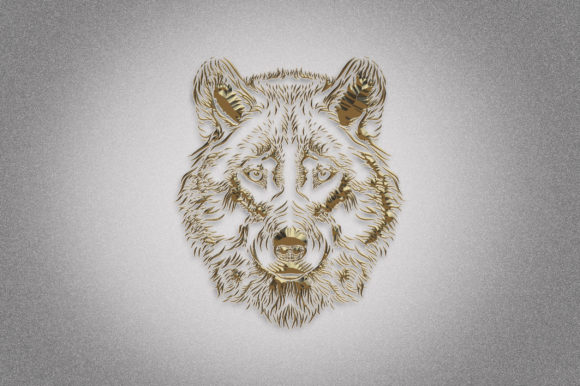
You are likely searching for a visual element that commands attention while maintaining professional integrity. When you encounter Golden Wolf Design Art, 3d Looks Image, you are not just looking at a static picture; you are accessing a versatile asset designed to elevate your brand identity or creative project. This specific illustration combines the majestic symbolism of the wolf with a luxurious golden aesthetic and modern three-dimensional rendering. However, many creators stumble when trying to integrate such complex imagery into their workflows without understanding the technical requirements behind vector graphics.
The appeal of this design is immediate. The interplay of light and shadow in the 3D look creates depth that flat illustrations often lack, making it perfect for logos, t-shirt designs, and marketing materials. Yet, simply downloading an image is only half the battle. The real value lies in the file formats included—EPS 10, PNG, JPG, and SVG—which allow for scalability and editability. If you treat this download as merely a JPEG to be pasted onto a website, you are missing out on the primary advantage of vector design: the ability to resize without losing quality.
Common Pitfalls in Selecting and Using Vector Illustrations
One of the most frequent mistakes beginners make is prioritizing the visual preview over the technical specifications. When browsing marketplaces or design libraries, it is easy to get distracted by the rendered image and overlook the fact that some files are raster-based (pixelated) rather than vector-based. If you purchase a version of Golden Wolf Design Art that is locked in a low-resolution format, you will find yourself unable to print it on large banners or scale it up for merchandise without it becoming blurry and pixelated.
This issue extends beyond simple blurriness. Using a non-vector version of a logo can damage your brand's credibility. Imagine a small business owner who prints a sticker using a standard image file, only to have the edges appear jagged and unprofessional under close inspection. In contrast, the EPS 10 and SVG files included in this download utilize mathematical paths to define shapes. This means you can stretch the wolf illustration from the size of a business card to the height of a billboard, and the lines will remain crisp and sharp. Failing to verify the file type before buying can lead to wasted money and the need to restart a design project entirely.
Overlooking Editability and Layer Structure
Another critical oversight involves the assumption that all graphic files are equally editable. While the provided assets are vector files, the level of control you have depends on how the layers are organized within the software. Some users attempt to open these files in basic image viewers or outdated software versions, leading to frustration when they cannot modify colors or separate elements like the fur texture from the golden outline.
To avoid this, ensure you are using compatible software such as Adobe Illustrator, CorelDRAW, or free alternatives like Inkscape that support EPS 10 standards. Before finalizing your project, check the layer panel. A well-structured file allows you to isolate the "3D Look" effects from the base shape. For instance, if you need to change the gold color to match a specific brand palette, you should be able to select the fill layer without accidentally distorting the intricate hand-drawn details of the wolf illustration. If the file is flattened, you lose this flexibility, turning a customizable template into a static image.
Strategic Applications for Different Audiences
The versatility of this asset makes it suitable for a wide range of users, but each group has unique needs that require careful consideration. Freelancers and marketers often use these designs for social media campaigns where the 3D effect grabs the eye quickly. However, a common error here is applying the image without adjusting the background transparency. Since the PNG file included offers a transparent background, it saves time, but placing it directly over a busy photo can obscure the details of the wolf.
For entrepreneurs and small business owners, the logo template aspect is paramount. A logo must work in black and white as well as full color. When adapting Golden Wolf Design Art for a monochromatic application, such as a stamp or a fax cover sheet, do not rely solely on the original 3D render. Instead, use the vector nature of the file to create a simplified silhouette version. This ensures the brand remains recognizable even when color is removed. Ignoring this step can result in a logo that looks good on a screen but disappears completely on a printed receipt or a single-color flyer.
Hobbyists and t-shirt designers face different challenges, primarily regarding print compatibility. When transferring the design to fabric, the resolution of the source file matters immensely. Using the high-quality SVG or EPS files ensures that the ink adheres correctly to the material. Conversely, stretching a low-res JPG can cause the printing process to fail, resulting in a product that looks amateurish. Always test your design at the intended output size before committing to a bulk order.
Evaluating Quality Before You Commit
Before integrating this artwork into your workflow, take a moment to inspect the files thoroughly. Open the EPS 10 file in your vector software and zoom in to 400%. Check for any stray points or unnecessary anchor nodes that might complicate editing later. A clean vector file is efficient and easier to manipulate. Additionally, verify the color modes. Professional print work typically requires CMYK color profiles, while digital screens use RGB. Although the design is provided in a standard format, converting it incorrectly can lead to color shifts, where the rich gold appears dull or greenish upon printing.
Furthermore, consider the licensing terms associated with the download. Even though the files are openable and editable, ensure that your usage rights align with your project scope. Are you creating a personal blog header, or are you selling merchandise featuring the wolf? Understanding these boundaries prevents legal complications down the road. The inclusion of multiple formats—JPG for quick previews, PNG for web transparency, and vector files for production—is a significant benefit, but only if you know which one to deploy for each specific task.
Maximizing Value Through Proper Workflow
To truly leverage the potential of Golden Wolf Design Art, 3d Looks Image, adopt a workflow that respects the medium. Start with the vector files for all major design decisions. Build your layout, adjust colors, and refine the composition using the scalable properties of the SVG or EPS data. Only export to raster formats like JPG or PNG once the design is finalized and ready for distribution. This approach guarantees that you always retain a master copy that can be updated instantly if client feedback requires a change.
Remember that the hand-drawn style mentioned in the description adds a unique character that mass-produced clip art lacks. This artistic touch resonates well with audiences seeking authenticity. Whether you are an educator creating engaging lesson materials or a blogger illustrating a story about resilience and strength, the wolf serves as a powerful metaphor. By treating the file with technical care and respecting its vector capabilities, you ensure that the message is delivered with clarity and impact.
In summary, the difference between a mediocre design and a professional masterpiece often comes down to the tools and techniques used. Avoid the trap of settling for low-resolution images or ignoring the structural integrity of your files. By choosing assets like the Golden Wolf Design Art, 3d Looks Image and utilizing the included EPS, PNG, JPG, and SVG files correctly, you empower yourself to create visuals that are not only beautiful but also durable, flexible, and ready for any challenge your projects may present.