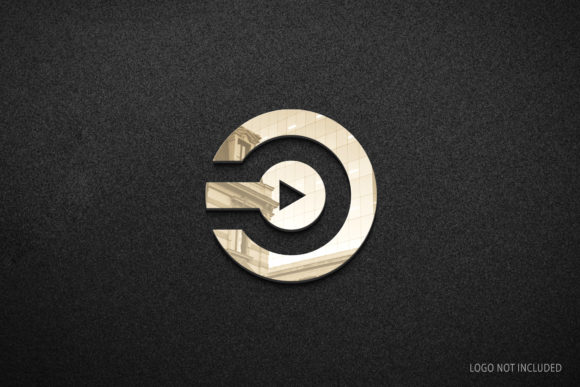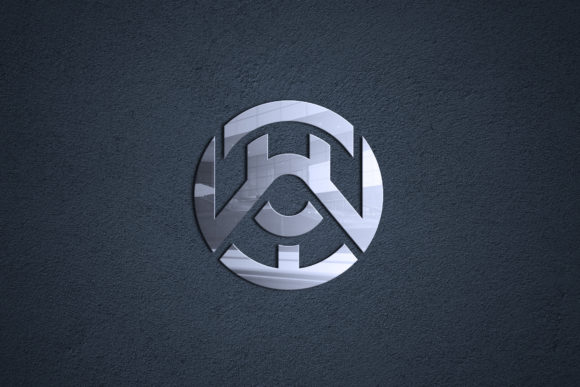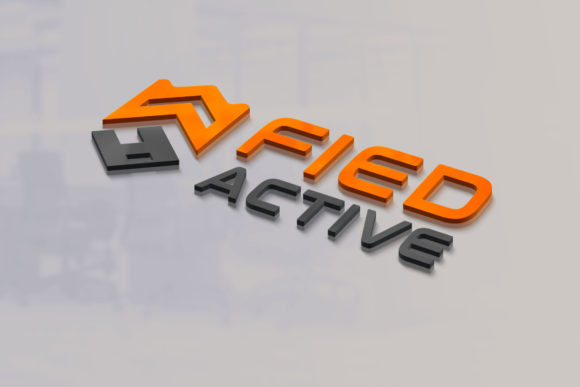
Elevate Your Brand with Layer Style 3D Logo Mockup Design
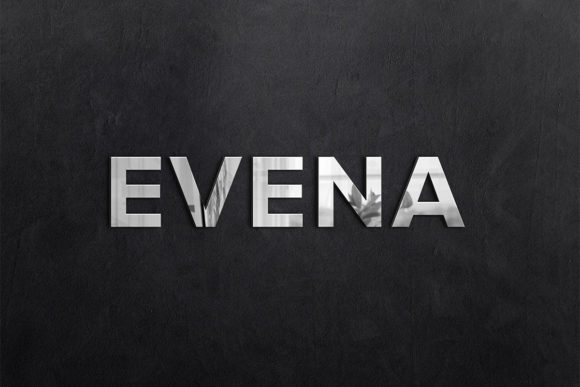
In the competitive landscape of modern visual communication, a flat image simply does not cut it anymore. To truly capture attention and convey professionalism, brands must leverage Layer Style 3D Logo Mockup Design to transform static concepts into tangible, high-impact realities. This approach bridges the gap between digital creativity and physical perception, allowing designers to showcase their work with an authenticity that standard JPEGs cannot match.
The Power of Realistic Visualization in Branding
Visual hierarchy and depth are critical elements in effective graphic design. When you present a logo on a screen without context, it lacks weight. However, by applying realistic shadows, lighting, and textures through a dedicated mockup, you instantly elevate the perceived value of the brand identity. This technique is not merely about aesthetics; it is about psychological impact. A well-executed 3D presentation suggests precision, quality, and attention to detail, which are traits clients associate directly with the final product.
Whether you are working on packaging design, web design, or UI design, the ability to visualize how a logo interacts with its environment is invaluable. It helps stakeholders understand scale, material finish, and spatial relationships before a single unit is manufactured or coded. This clarity reduces revision cycles and ensures that the final output aligns perfectly with the original creative vision.
Streamlining Your Creative Workflow
One of the most significant advantages of using a specialized Layer Style 3D Logo Mockup Design file is the efficiency it brings to your design process. These assets are built with advanced functionality that removes technical barriers. The core feature relies on smart object technology, which allows for seamless content replacement. Instead of manually adjusting layers, masks, and blend modes, you can simply double-click the designated area to insert your own logo, text, or full design.
The software automatically handles the complex calculations required for correct lighting and shadow placement. This means that even if your design features vibrant gradients or intricate typography, the mockup will adapt the perspective and illumination instantly. You do not need advanced skills in Photoshop to achieve a photorealistic result; the system ensures that your design looks like it was photographed in a professional studio.
- High-Quality Output: With resolutions reaching 3000 x 2000 pixels at 300 DPI, these files are suitable for both large-format print and crisp digital displays.
- Organized Structure: Fully layered and well-organized folders make it easy to locate specific elements, adjust colors, or modify the background without disrupting the main composition.
- Zero Skill Requirement: The intuitive nature of the smart object replacement means anyone from a junior designer to a business owner can produce professional-grade presentations.
Practical Applications Across Industries
The versatility of 3D mockups extends far beyond simple logo display. In the realm of digital marketing, high-quality visuals are essential for capturing user engagement on social media platforms. A dynamic 3D render stands out in a crowded feed, driving higher click-through rates and fostering brand recognition.
For editorial design and advertising campaigns, these assets provide the necessary polish to communicate luxury and authority. Imagine presenting a new product line where the packaging design is showcased in a hyper-realistic setting; this visual storytelling can significantly influence consumer purchasing decisions. Similarly, in creative projects involving merchandise, such as apparel or tech accessories, seeing the logo applied to a textured surface helps clients visualize the final tangible item.
Furthermore, when creating design inspiration boards or pitch decks, consistency is key. Using a cohesive set of mockups ensures that your color palette and typography remain legible and impactful across all materials. This consistency strengthens the overall brand identity, making the company appear more established and reliable.
Selecting the Right Assets for Your Project
When evaluating design resources, look for files that offer maximum flexibility. A good mockup should be fully editable, allowing you to change backgrounds, lighting angles, and surface textures to match your specific project needs. Ensure that the file includes comprehensive documentation or is intuitive enough to navigate without extensive tutorials.
Consider the end-use of your design. If you are targeting mobile users, ensure the mockup renders clearly at smaller scales. For print applications, verify that the resolution meets industry standards to avoid pixelation. By prioritizing compatibility and scalability, you ensure that your creative assets serve their purpose effectively, whether they are displayed on a billboard or a smartphone screen.
Ultimately, investing time in high-quality visualization tools pays dividends in client satisfaction and project success. Thoughtful design choices, supported by robust Layer Style 3D Logo Mockup Design resources, allow creators to focus on innovation rather than technical limitations. By delivering polished, realistic presentations, you not only enhance the aesthetic appeal of your work but also communicate a message of excellence that resonates with audiences and elevates your professional reputation.