Modern 3D Logo Mockup Design: A Strategic Tool for Visual Branding
In the digital landscape, visual communication is often the deciding factor between a brand that resonates and one that fades into the background. The Modern 3D Logo Mockup Design represents more than just a graphic template; it is a strategic asset designed to bridge the gap between abstract concepts and tangible reality. For entrepreneurs, marketers, and creative professionals, the ability to visualize a logo in a three-dimensional space before committing to physical production or final digital deployment is invaluable. This tool transforms flat vector files into photorealistic presentations, allowing stakeholders to make informed decisions based on accurate visual data.
The Strategic Value of Photorealistic Visualization
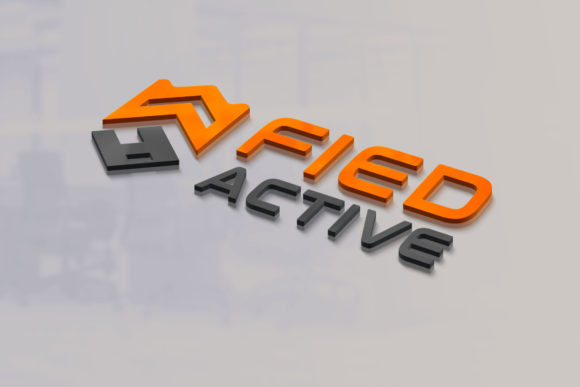
Traditional two-dimensional mockups often fail to convey how a brand identity will interact with light, texture, and depth in the real world. When you present a flat logo to a client or a team, they must use their imagination to understand its application on signage, packaging, or merchandise. The Modern 3D Logo Mockup Design eliminates this cognitive load by providing an immediate, high-fidelity representation. By utilizing advanced lighting algorithms and shadow mapping, these mockups ensure your design looks like a real object, complete with correct shadows and lighting conditions.
This level of realism is critical for effective planning and positioning. Whether you are launching a new product line or rebranding an established business, seeing your logo rendered in 3D helps identify potential issues with contrast, scale, and legibility that might be missed in a flat view. It supports the decision-making process by reducing ambiguity. When a stakeholder can see exactly how the branding will appear on a glossy surface or a textured material, they can approve the direction with confidence, streamlining the approval workflow and preventing costly revisions later in the production cycle.
Operational Efficiency Through Smart Technology
One of the most significant advantages of this specific mockup pack is the integration of smart object technology. In professional design workflows, time is a finite resource. The requirement to manually adjust layers, blend modes, and perspective angles for every single variation can drain productivity. With the Modern 3D Logo Mockup Design, the editing process is streamlined through a simple replacement mechanism. You simply drop your logo, design, or text into the designated smart object layer, and the software automatically applies the necessary perspective, curvature, and environmental effects.
- High Quality 3d Realistic Output: The resolution is set at 3600 x 2400 pixels with a 300 DPI standard, ensuring crisp output for both web display and high-resolution print materials.
- No Skill Requirement: You do not need to be a 3D modeling expert to achieve professional results. The complexity is handled by the file structure, leaving you free to focus on the creative strategy.
- Fully Layered Organization: The file includes well-organized folders, making it easy to locate specific elements if manual adjustments are ever needed beyond the smart object replacement.
This accessibility democratizes high-end presentation skills. Freelancers and small business owners who may lack the budget for expensive 3D rendering software can now produce portfolio-quality visuals. The "Just Replace your Logo" feature ensures that even those with limited technical proficiency can maintain a consistent and professional brand image across various touchpoints.
Planning for Long-Term Brand Consistency
Effective branding requires consistency across all channels, from digital ads to physical retail environments. The Modern 3D Logo Mockup Design serves as a foundational element in your brand guidelines documentation. By creating a comprehensive library of mockups using this pack, you establish a visual standard that guides future marketing efforts. Instead of guessing how a logo might look on a different medium, you have a verified reference point.
Consider the scenario where you are pitching a campaign to a large corporation. Presenting a deck that includes realistic 3D renderings of your proposed branding on actual products demonstrates a deep understanding of the client's needs. It shows that you have thought about the end-user experience, not just the logo itself. This approach fosters trust and positions you as a thoughtful partner rather than just a service provider. The pack includes 1 PSD and 1 JPEG, offering flexibility for different stages of your workflow—using the PSD for further customization and the JPEG for quick sharing or embedding in reports.
Risks of Unintentional Usage
While the capabilities of the Modern 3D Logo Mockup Design are impressive, relying on them without a clear strategy can lead to suboptimal outcomes. A common pitfall is the "shiny object syndrome," where teams invest heavily in producing elaborate mockups without a corresponding plan for implementation. If you create stunning 3D visuals that cannot be realistically produced due to manufacturing constraints or budget limitations, you risk setting unrealistic expectations with clients or investors.
Furthermore, there is a risk of over-reliance on automation. While the smart object feature handles lighting and shadows automatically, it does not account for the specific nuances of every unique environment. If you apply a generic 3D effect to a logo that is intended for a matte finish but the mockup suggests a glossy reflection, you may mislead your audience. It is essential to review the generated output critically. Ensure that the lighting matches the intended context and that the typography remains legible under the simulated conditions. Blindly accepting the default settings without verifying the fit for purpose can undermine the credibility of your presentation.
Decision-Making Guidelines for Implementation
To maximize the value of this tool, you should approach its use with intentionality. Before opening the PSD file, define the objective of the visualization. Are you testing color variations? Evaluating placement on packaging? Or preparing a sales pitch? Your goal dictates which features of the Modern 3D Logo Mockup Design you should prioritize. If the goal is speed, utilize the 100% editable nature of the file to generate multiple variations quickly. If the goal is precision, take advantage of the fully layered structure to fine-tune specific elements.
- Define the Context: Determine the environment where the logo will live. Does it need to look like it belongs on a metal sign, a glass bottle, or a digital screen?
- Select the Right Asset: Choose the mockup variant that best aligns with your target audience's perception of your brand. A luxury brand requires different lighting and textures than a tech startup.
- Verify Technical Specs: Ensure the 3600 x 2400 pixel resolution meets the requirements of your intended output channel. High DPI is crucial for print, while lower resolutions may suffice for social media previews.
- Iterate and Test: Use the ease of editing to test different logo placements and colors. See how the design holds up against different backgrounds and lighting scenarios.
By following a structured approach, you transform the mockup from a static image into a dynamic planning tool. This method supports better learning and creativity, as it allows for rapid experimentation without the fear of wasting resources. You can explore bold ideas, see their practical implications immediately, and refine them based on visual feedback.
Enhancing Customer Experience Through Clarity
Ultimately, the goal of any branding effort is to improve the customer experience. Confusion is the enemy of conversion. When customers see a brand that looks polished, cohesive, and professional, they are more likely to engage. The Modern 3D Logo Mockup Design contributes to this clarity by ensuring that the visual identity is presented in its best possible light. It removes the guesswork for the consumer, presenting a brand that feels established and reliable.
For educators and bloggers, these mockups offer a way to teach or demonstrate design principles effectively. They provide a concrete example of how theoretical design choices translate into real-world applications. For publishers and decision-makers, they serve as a powerful communication device, bridging the gap between creative vision and business execution. In a competitive market, the ability to communicate your vision clearly and professionally can be the difference between success and obscurity.
As you integrate this tool into your workflow, remember that it is a means to an end, not the end itself. The quality of the final result depends on the strength of the underlying design and the strategic thinking behind its application. Use the high-quality features, the smart object replacement, and the realistic rendering capabilities to enhance your narrative, support your goals, and deliver results that stand the test of time. By treating the Modern 3D Logo Mockup Design as a strategic component of your broader operational plan, you ensure that every visual asset you produce adds genuine value to your brand ecosystem.